博文
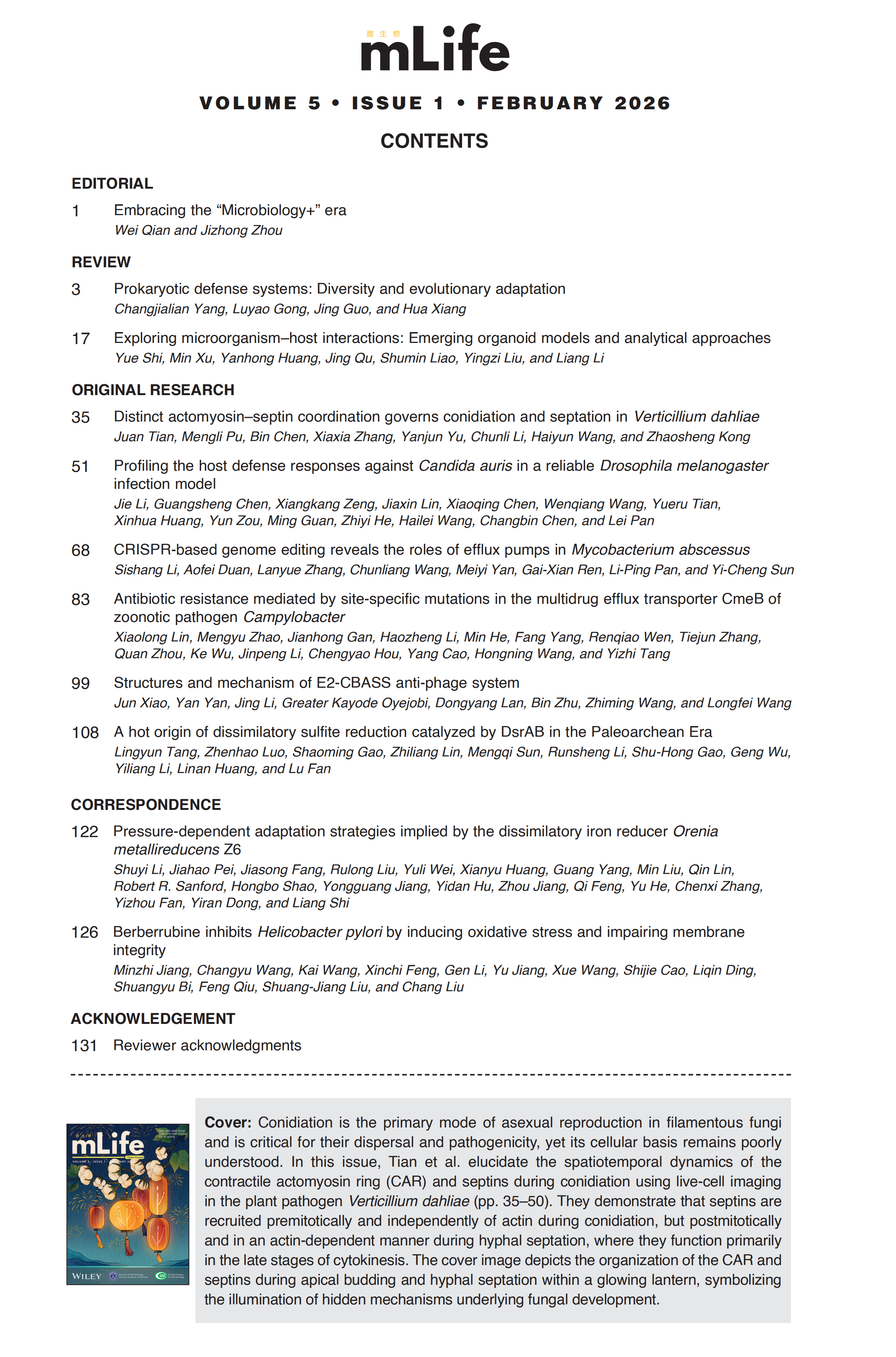
mLife 第五卷第一期正式出版
||
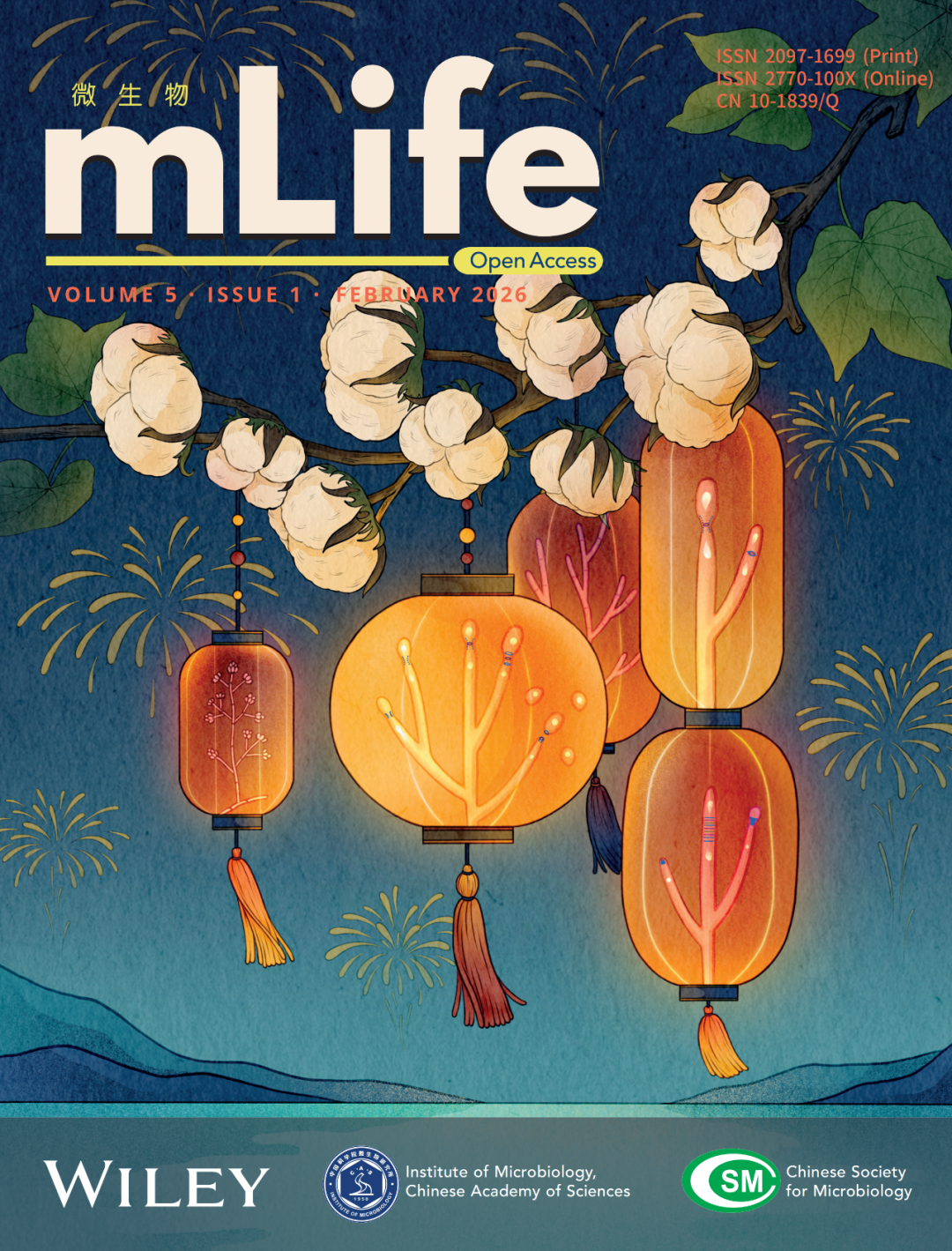
mLife · Volume 5 · Issue 1
于2026年2月27日正式出版
好文速览

扫码或点击文末左下角阅读本期原文https://onlinelibrary.wiley.com/toc/2770100x/2026/5/1
Editorial
🔹 Embracing the “Microbiology+” era
Wei Qian, Jizhong Zhou

https://onlinelibrary.wiley.com/doi/10.1002/mlf2.70074
The field of life sciences is undergoing a profound revolution. Besides reshaping the landscape of all scientific investigation by artificial intelligence (AI), we have entered into an era of “Microbiology+,” since essential roles played by microbes as the pivotal nexus linking human health, sustainable agriculture, ecological restoration, climate change, and even biomanufacturing are becoming increasingly evident.
Microbiological research is driven both by the curiosity to uncover the fundamental principles of microscopic life and by the imperative to address pressing societal challenges. This dual motivation is embodied in the concept of “Pasteur's Quadrant,” introduced by Donald E. Stokes in 1997, which describes research that simultaneously advances fundamental understanding and is inspired by practical use1. Microbiology, perhaps more than many other disciplines, naturally occupies this quadrant, which links discovery-driven inquiry with tangible benefits for health, industry, and environment. From Louis Pasteur's elucidation of fermentation mysteries and foundational principles of vaccination, to Alexander Fleming's serendipitous discovery of penicillin ushering in the antibiotic age, and the revelation of symbiotic mechanisms in plant root nodule bacteria propelling green agriculture, microbiology has spurred significant contributions toward a better life of mankind in history. Today, propelled by revolutionary advances in research tools and the acceleration of multidisciplinary convergence, microbiology is transcending its traditional confines, manifesting a distinctive “Microbiology+” character: microbial influence radiates across medicine, agriculture, environmental sciences, materials, evolution, climate change, and data sciences, which position microbiology as the critical node connecting disparate branches of life sciences and the vital springhead of innovation.
The driving force behind “Microbiology+” lies in the staggering diversity and evolutionary depth of the microbial world, which represents an immense, largely uncharted frontier of life that offers virtually limitless opportunities for discovery and integration across disciplines. The true extent of microbial diversity on Earth remains unknown, with estimates reaching as high as one trillion species2. Beyond sheer numbers lies an even greater expanse of metabolic innovation, ecological interactions, and adaptive strategies. Together, this hidden biosphere constitutes one of the planet's greatest reservoirs of biological novelty, holding transformative potential for science, technology, and society. This unparalleled diversity endows microbial research with an intrinsic “permeability”: environmental engineers harness microbes to remediate contaminated soils and waters; agronomists modulate rhizosphere microbiomes to enhance crop resilience and nutrient efficiency; and synthetic biologists modify microbes as “cellular factories” for high-value compound production. Especially, recent microbiome investigation revealed the gut microbiota's profound impacts on immunity, nervous system, and metabolic health. Microbiome research has propelled microbiology from the scrutiny of singular pathogens or functional strains toward a holistic apprehension of “holobiont” and their interaction networks with various organisms. This paradigmatic migration, from “individuals” to “communities,” from “static taxonomy” to “dynamic functionality,” empowers microbiology to interface more precisely with its applications such as precision medicine, ecological remediation, and sustainable agriculture.
To embrace the “Microbiology+” era, we must revitalize and innovate foundational microbiological research, particularly by overcoming the problem of “unculturable microbes.” Presently, a small portion of environmental microbial species can be laboratory-cultured. The development of “culturomics,” which leverages simulated niches, microfluidic chips, co-cultivation strategies, and data prediction technology, will illuminate this “microbial dark matter,” unlocking novel genetic reservoirs, metabolic routes, and ecological roles. Only by integrating a broader microbial cohort into axenic culture can we dissect their physio-biochemical intricacies, thereby laying an unassailable groundwork for engineered applications. In addition, microbiologists must proactively embrace profound collisions and fusions with AI, physics, chemistry, materials science, and so forth. Microbial research produces oceans of data, with which machine learning can parse multiple omics datasets to forecast microbial functions, interactions, and even bespoke microbial architectures. The intertwining of AI and microbiology will undoubtedly lead the future investigation and development of biotechnology in the coming decade.
The “Microbiology+” era is approaching. mLife, together with other excellent academic journals, will serve as a platform for researchers to inspire their creative ideas. It will publish more thought-provoking fundamental research findings, more studies that leverage interdisciplinary science to address classic questions, and more novel concepts and theories for debate. Through these efforts, mLife will strive to leave its mark on this exciting era.
Review
🔹 Prokaryotic defense systems: Diversity and evolutionary adaptation
Changjialian Yang, Luyao Gong, Jing Guo, Hua Xiang

https://onlinelibrary.wiley.com/doi/10.1002/mlf2.70068
Bacteriophages and archaeal viruses are the most abundant biological entities on Earth. Through a long-standing co-evolutionary arms race, they have driven the emergence of a diverse repertoire of prokaryotic defense systems. This review summarizes these systems, highlighting their diverse antiviral mechanisms across distinct stages of viral infection, from surface barriers and inducible innate responses to specific adaptive defenses, and the intricate interplay between these defense strategies. By examining host–virus counter defense dynamics, the trade-off between survival benefit and adaptive cost, the co-evolution of RNA and protein components, and the comparison with eukaryotic immune systems, we underscore the intrinsic complexity and evolutionary plasticity of prokaryotic antiviral immunity. A deeper understanding of these processes and mechanisms will not only shed light on the origins and evolution of the immune system but also provide valuable opportunities for the development of biotechnological tools.
Exploring microorganism–host interactions: Emerging organoid models and analytical approaches
Yue Shi, Min Xu, Yanhong Huang, Jing Qu, Shumin Liao, Yingzi Liu, Liang Li

https://onlinelibrary.wiley.com/doi/10.1002/mlf2.70053
Microorganisms play a vital role in human health through their interactions with the body. Studies of host–microbe mechanisms and interactions are crucial for advancing health management. Recently, the organoid-based models have provided new platforms in this field. Derived from human tissues, these models offer several advantages over traditional systems and, when combined with advanced analytical techniques, they enable deeper insights into host–microbe interactions. In this review, we summarize the different models and techniques used, with a particular focus on the newly developed organoid models. We discuss how these models can be effectively utilized in microorganism–host interaction studies and address their associated limitations.
Original Research
🔹 Distinct actomyosin–septin coordination governs conidiation and septation in Verticillium dahliae
Juan Tian, Mengli Pu, Bin Chen, Xiaxia Zhang, Yanjun Yu, Chunli Li, Haiyun Wang, Zhaosheng Kong

https://onlinelibrary.wiley.com/doi/10.1002/mlf2.70062
Conidiation is the primary mode of reproduction in filamentous fungi and is essential for the dispersal of pathogenic species. However, the fundamental cellular mechanisms regulating conidiation in plant pathogenic fungi remain largely unexplored. Here, using Verticillium dahliae as a model, we investigated the dynamic assembly and function of the contractile actomyosin ring (CAR) and septins during conidiation through live-cell imaging. We show that septins, visualized via VdCdc11-GFP, first accumulate at the tip of budding hyphae during the transition from hyphal elongation to apical budding, and undergo an hourglass-to-double-ring transition at the bud neck. Following mitosis, myosin II and actin assemble simultaneously into a contractile ring to drive cytokinesis. Disruption of core septin function results in defective nuclear segregation and aberrant nuclear migration during mitosis, as well as delayed recruitment of myosin II to the bud neck, indicating that septins scaffold cytokinetic machinery and coordinate nuclear division during conidiation. In contrast, during hyphal septation, myosin II, actin, and septins appear simultaneously as a diffuse cortical band, with septin organization dependent on actin. Collectively, these findings reveal distinct spatial and temporal coordination between actomyosin and septins in two cytokinetic contexts—conidiation and hyphal septation—and define apical budding as a specialized cytokinesis mode in V. dahliae. Our study broadens the understanding of fungal cytokinesis beyond yeast models to multicellular filamentous fungi.
Profiling the host defense responses against Candida auris in a reliable Drosophila melanogaster infection model
Jie Li, Guangsheng Chen, Xiangkang Zeng, Jiaxin Lin, Xiaoqing Chen, Wenqiang Wang, Yueru Tian, Xinhua Huang, Yun Zou, Ming Guan, Zhiyi He, Hailei Wang, Changbin Chen, Lei Pan

https://onlinelibrary.wiley.com/doi/10.1002/mlf2.70038
The “superbug” Candida auris has been ranked as a priority fungal pathogen and is becoming a serious threat to public health. However, the underlying mechanisms of real-world pathogen–host interactions remain elusive, in part due to the lack of powerful immunocompetent animal models. Here, we report that selected wild-type strains of Drosophila melanogaster can be developed as a promising infection model to recapitulate C. auris systemic infection. The systemic and organ-specific responses to C. auris infection in vivo were evaluated, as well as the corresponding transcriptional profiling. Our findings confirmed that Toll and JAK-STAT signaling pathways mediate antifungal responses in the Drosophila model following C. auris infection. Moreover, we identified certain conserved novel factors required for host–C. auris interactions, highlighting the fly model's potential to reveal subtle immune mechanisms not readily observed in mammalian systems. Taken together, our work demonstrates that wild-type Drosophila offers a robust immunocompetent animal model for further in-depth investigation of dynamic C. auris–host interactions in vivo.
CRISPR-based genome editing reveals the roles of efflux pumps in Mycobacterium abscessus
Sishang Li, Aofei Duan, Lanyue Zhang, Chunliang Wang, Meiyi Yan, Gai-Xian Ren, Li-Ping Pan, Yi-Cheng Sun

https://onlinelibrary.wiley.com/doi/10.1002/mlf2.70048
Mycobacterium abscessus, one of the most antimicrobial-resistant bacteria, is increasingly recognized as the cause of infections that are difficult to treat. Novel genetic manipulation tools are required to elucidate the biology, pathogenesis, and antibiotic resistance mechanisms of M. abscessus. In this study, we modified the method used to prepare M. abscessus electrocompetent cells to achieve efficient transformation, and then optimized the CRISPR-Cas9-assisted genome-editing tools to allow efficient genetic manipulation. Using these tools, we constructed 66 efflux pump mutants of M. abscessus and investigated their roles in drug resistance and virulence. We found that different efflux pumps play distinct roles in drug resistance and survival in Galleria mellonella larvae. Finally, we confirmed that MAB_2806-2807, involved in transportation of triacylglycerides, is vital for the drug resistance and virulence of M. abscessus. The molecular biology tools developed in this study will facilitate molecular research on M. abscessus. In addition, the study on efflux pumps might provide new targets for the development of new drugs and treatment regimens for M. abscessus infection.
Antibiotic resistance mediated by site-specific mutations in the multidrug efflux transporter CmeB of zoonotic pathogen Campylobacter
Xiaolong Lin, Mengyu Zhao, Jianhong Gan, Haozheng Li, Min He, Fang Yang, Renqiao Wen, Tiejun Zhang, Quan Zhou, Ke Wu, Jinpeng Li, Chengyao Hou, Yang Cao, Hongning Wang, Yizhi Tang

https://onlinelibrary.wiley.com/doi/10.1002/mlf2.70051
The resistance‒nodulation‒division (RND) family of multidrug efflux transporters is widely distributed in Gram-negative bacteria. Although their roles in mediating antibiotic resistance have been well known, our understanding of how they are altered to augment bacterial adaptation to antibiotic selection remains at an infancy stage. Here, we report the identification of a mutation-based mechanism that empowers the function of the CmeB efflux protein, an RND-type transporter in the zoonotic pathogen Campylobacter. During our surveillance study, we identified Campylobacter isolates that were phenotypically resistant to florfenicol but lacked known florfenicol resistance mechanisms. Using natural transformation and whole genome sequencing, we first linked the phenotype to sequence polymorphisms in the cmeB and subsequently demonstrated that both the T136A and M292I mutations in CmeB are required for the resistance phenotype. The mutations elevated Campylobacter resistance to florfenicol, ciprofloxacin, and other classes of antimicrobial agents. Structural modeling and molecular dynamics simulations revealed that the two residues were localized in the drug-binding pocket of CmeB, and the T136A and M292I substitutions enhanced hydrophobic interactions, stabilized CmeB-antibiotic binding, and lessened steric hindrance in the drug-binding pocket, thereby facilitating antibiotic extrusion by CmeB. Analysis of the Campylobacter genomic sequences deposited in the NCBI database revealed that T136A- and M292I-harboring isolates were found in 35 different countries and associated with various host species, indicating the widespread distribution and clinical relevance of the two mutations. Together, these results identified a new mechanism underlying CmeB-mediated multidrug resistance and provide a potential target for clinical surveillance of antibiotic-resistant Campylobacter.
Structures and mechanism of E2-CBASS anti-phage system
Jun Xiao, Yan Yan, Jing Li, Greater Kayode Oyejobi, Dongyang Lan, Bin Zhu, Zhiming Wang, Longfei Wang

https://onlinelibrary.wiley.com/doi/10.1002/mlf2.70052
Bacteria deploy diverse innate immune systems to combat bacteriophage infections. The cyclic-oligonucleotide-based anti-phage signaling system (CBASS) is a type of innate prokaryotic immune system. CBASS synthesizes cyclic-oligonucleotide through cGAS/DncV-like nucleotidyltransferases (CD-NTases) to activate downstream effectors, which kill bacteriophage-infected bacteria, thereby stopping phage spread. One major class of CBASS contains a homolog of eukaryotic ubiquitin-conjugating enzymes, either as an E1-E2 fusion or a single E2 enzyme. Both enzymes function by regulating CD-NTase activity. Currently, many structures of CD-NTases have been reported, but there are only a few reports of structures where CD-NTases form complexes with the associated E2. In this study, we analyzed the length and classification of the CD-NTase in two types of type II CBASS—E1E2/JAB-CBASS and E2-CBASS. We found that the CD-NTase in E2-CBASS is longer and predominantly belongs to clade G. We also present the structure of the SmCdnG-SmE2 complex with the bound GTP substrate, which indicates the conservation of the donor binding pattern. Interestingly, we discovered that SmCdnG contains a conserved C-terminal α-helix and β-sheet structure, which is uniquely involved in forming a complex with SmE2. We also found that the structure of the E2 protein in the E2-CBASS system is highly conserved. Altogether, we provide mechanistic insights into the E2-CBASS system.
A hot origin of dissimilatory sulfite reduction catalyzed by DsrAB in the Paleoarchean Era
Lingyun Tang, Zhenhao Luo, Shaoming Gao, Zhiliang Lin, Mengqi Sun, Runsheng Li, Shu-Hong Gao, Geng Wu, Yiliang Li, Linan Huang, Lu Fan

https://onlinelibrary.wiley.com/doi/10.1002/mlf2.70066
Dissimilatory sulfite reduction (DSR) has been essential to microbial energy metabolism in the biogeochemical sulfur cycle since the Paleoarchean Era. However, due to the lack of an integrated assessment of geological record and genomic data, the evolutionary origin of DSR remains elusive in terms of time, habitat, and genetic basis. In this study, we reconstructed the evolutionary pathways and the ancestral sequences of Dsr proteins by mining metagenomes ranging from mesothermal to hyperthermal environments. A phylogenetic analysis of the key catalytic enzyme, DsrAB, and other Dsr proteins indicates that the earliest and most basic functional cascade, DsrABCNM, emerged prior to the latest common ancestor of several basal branching DsrAB clusters encoded by bacteria and archaea. Using a molecular dating strategy that calibrates the protein tree with a species tree, we predicted that the DSR originated 3.508 billion years ago (Ga). This finding strongly confirms the earliest geological evidence of DSR ( ~ 3.47 Ga). Further predictions from ancestral sequence reconstruction indicate that the optimal catalytic temperature of DsrA at the time of DSR origin was approximately 73°C, which is consistent with the petrographic and geochemical evidence in early Archean hydrothermal deposits. After its hot origin, DsrA diversified into subclades that adapted to various temperature levels following the Great Oxidation Event. This is exemplified by the evolution of the reductive archaeal-type DsrA. Our results synchronize the molecular ages with the geological record, which advances our understanding of the earliest DSR systems and highlights the enzymatic adaptations of microbial life in the Archean biosphere.
Correspondence
🔹 Pressure-dependent adaptation strategies implied by the dissimilatory iron reducer Oreniametallireducens Z6
Shuyi Li, Jiahao Pei, Jiasong Fang, Rulong Liu, Yuli Wei, Xianyu Huang, Guang Yang, Min Liu, Qin Lin, Robert R. Sanford, Hongbo Shao, Yongguang Jiang, Yidan Hu, Zhou Jiang, Qi Feng, Yu He, Chenxi Zhang, Yizhou Fan, Yiran Dong, Liang Shi

https://onlinelibrary.wiley.com/doi/10.1002/mlf2.70070
Tolerance of high hydrostatic pressure (HHP) is the hallmark of deep subsurface microorganisms, while its mechanisms remain under-investigated. This study explores HHP adaptation in the piezotolerant bacterium Orenia metallireducens across its near-full pressure range (0.1–40 MPa). At inhibitory pressure (40 MPa), the organism redirected carbon flux toward more favorable energy generation and biosynthesis using ferric mineral as the “electron sink.” Furthermore, both universal and pressure-dependent strategies enabled the organism to withstand varying pressures. These findings highlight the role of iron minerals in microbial HHP adaptation and reveal novel survival strategies, advancing our understanding of deep-life evolution and biogeochemical impacts.
Berberrubine inhibits Helicobacter pylori by inducing oxidative stress and impairing membrane integrity
Minzhi Jiang, Changyu Wang, Kai Wang, Xinchi Feng, Gen Li, Yu Jiang, Xue Wang, Shijie Cao, Liqin Ding, Shuangyu Bi, Feng Qiu, Shuang-Jiang Liu, Chang Liu

https://onlinelibrary.wiley.com/doi/10.1002/mlf2.70061
Helicobacter pylori is a major gastric pathogen with increasing antibiotic resistance, creating an urgent need for new therapeutic strategies. We screened 37 pure compounds and 9 herbal extracts for anti-H. pylori activity and identified berberrubine as the most potent agent, with a minimum inhibitory concentration of 11 μg/ml. Berberrubine exhibited bacteriostatic effects by inducing oxidative stress and disrupting membrane integrity, as demonstrated by transcriptomic analysis, reactive oxygen species (ROS) accumulation, and structural damage, all of which were alleviated by the antioxidant N-acetylcysteine. Similar inhibitory effects were observed in Escherichia coli, indicating broader antimicrobial potential. This study provides the mechanistic evidence of berberrubine's activity against H. pylori, highlighting its promise as a candidate for development into alternative therapies to address antibiotic resistance.

mLife
期刊简介
mLife是由中国科学院主管、中国科学院微生物研究所主办(中国微生物学会为合作单位)的我国微生物学领域第一本综合性高起点英文期刊。mLife瞄准全球微生物学领域高水平科研成果和前沿进展,报道内容覆盖微生物学各个学科。mLife的办刊目标是打造微生物学领域综合性国际旗舰期刊。目前,mLife已被国内外重要数据库ESCI、PubMed、Scopus、CSCD、DOAJ、CAS、中国科技核心期刊等收录。mLife 2024年度JCR影响因子为4.5,位于微生物学科Q1区。
期刊网站:
https://wileyonlinelibrary.com/journal/mLife
https://www.sciopen.com/journal/2097-1699
投稿网站:https://mc.manuscriptcentral.com/mlife

https://wap.sciencenet.cn/blog-3563286-1524514.html
上一篇:Industrial Chemistry & Materials 2025大事记
下一篇:mLife | 拥抱 “微生物+” 时代